Research project Crop diversification for forage production on animal farms: focus on forage sorgho and mixed cropping of silage maize-climbing beans
Contact our expert

Joke Pannecoucque
Expert plantaardige productie
General introduction
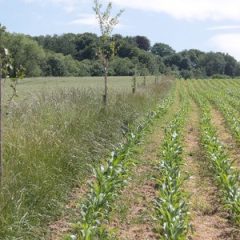
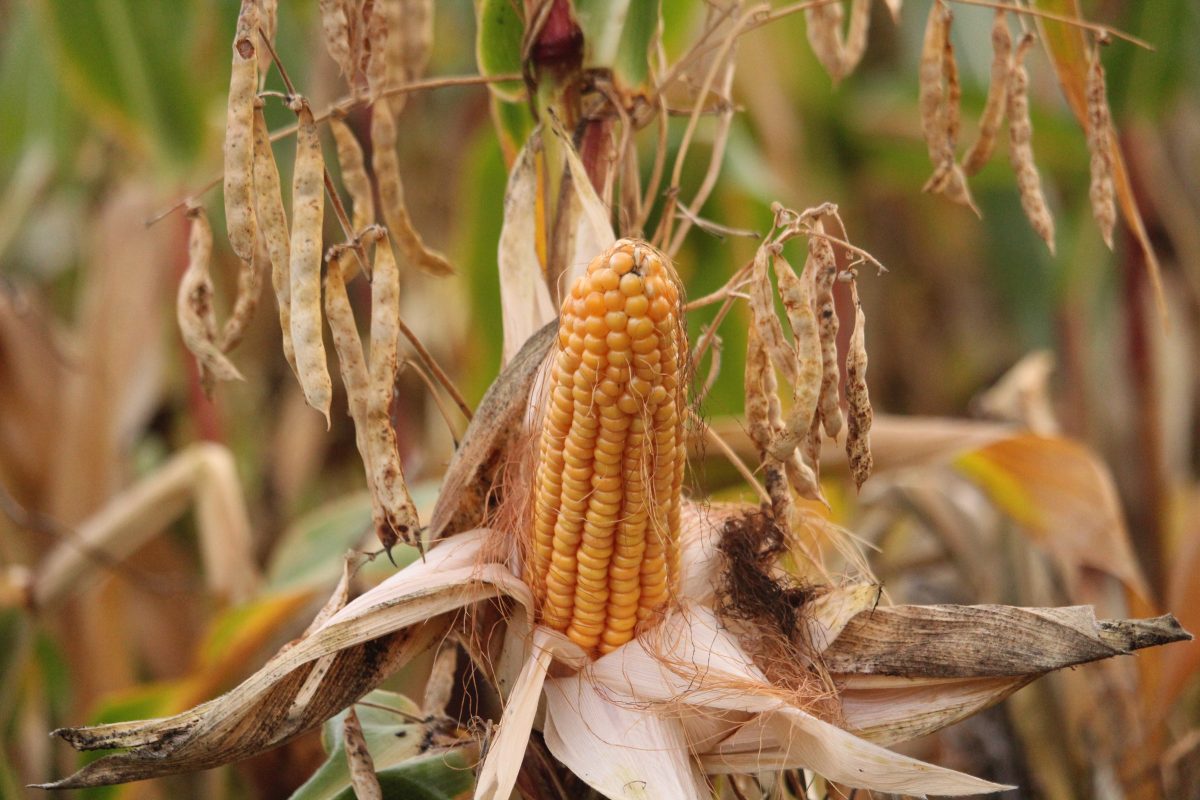
The final results of the Farmers' Benefits project show that intercropping silage maize and runner beans yields an average of 170–200 kg of extra crude protein per hectare. This represents an increase of approximately 10% in crude protein in the silage, reducing the need to purchase protein-rich feed. However, the starch yield is lower than with traditional silage maize. Feed sorghum is proving its potential as a climate-resilient third dairy crop: it tolerates drought better than maize and achieves a similar crude protein yield with 15% less nitrogen fertilization, although the total biomass and starch concentration remain lower. Four years of research on trial fields and commercial farms mapped the impact of both crops on soil quality, nitrogen utilization, and roughage yield. The results show that feed sorghum and the mixed cultivation of silage maize and climbing beans can play a relevant role in more sustainable and climate-resilient roughage production, thereby breaking the maize monoculture.
Research approach
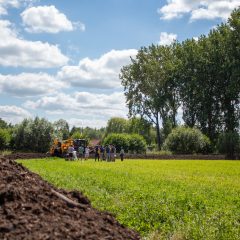
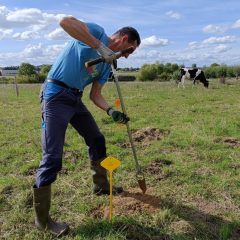
In the Farmers' Benefits project, feed sorghum and silage maize-climbing bean were tested for four years on trial fields and practical plots. Both crops were studied under adapted fertilization and weed management strategies and closely monitored with soil and plant analyses and drone observations. In the maize-climbing bean mixed crop, different varieties and sowing densities were compared and the effect on protein yield was evaluated; for sorghum, the focus was on drought response, variety differences, and nitrogen utilization. In addition, a practical farm investigated how silage maize-climbing beans fit into the dairy cattle ration. The insights gained resulted in concrete cultivation advice and practical guidelines for farmers.
Relevance/Valorization
Today, roughage production on dairy farms is mainly based on the traditional rotation of grass and corn. Crop diversification can strengthen the resilience of this narrow rotation and yield additional benefits. This project demonstrated the potential of both feed sorghum and the mixed cultivation of maize and runner beans to break through this traditional rotation. Researchers note, however, that the starch yield of silage maize-climbing bean is still somewhat lower and that the biomass and starch concentration of feed sorghum is also still too low. There are clearly opportunities here for breeding new and better varieties. Weed control remains a point of attention for both crops, with mechanical techniques proving their usefulness.
Financing
VLAIO